


Introduction
Cloud computing is a technology that allows individuals and businesses to access computing resources such as servers, storage, databases, networking, and software over the internet instead of relying on local hardware. This shift has changed the way organizations operate by making IT systems more flexible, scalable, and cost efficient.
In today’s digital economy, understanding cloud computing market share is important because it shows how the industry is divided among leading providers and how quickly businesses are moving away from traditional infrastructure. It also reflects which companies are leading innovation and shaping the future of digital services.
The rapid adoption of cloud solutions can be seen across multiple industries. In healthcare, cloud platforms help manage patient records and enable telemedicine services. In finance, they support secure transactions and real time data analysis. Retail businesses use cloud systems for inventory management and personalized customer experiences, while the education sector relies on cloud based learning platforms to support online classes and collaboration.
As more organizations continue their digital transformation journey, the cloud computing market share becomes a key indicator of technological progress, competition among major providers, and the growing reliance on cloud based solutions worldwide.
What is Cloud Computing Market Share
Cloud computing market share refers to the percentage of the global cloud industry controlled by different service providers. It shows how the overall market is distributed among major companies offering cloud services such as infrastructure, platforms, and software solutions.
In simple terms, it helps us understand which companies are leading the cloud industry and how much influence they have in the global digital ecosystem. This is usually measured based on revenue generated from cloud services, the number of enterprise customers, and the scale of cloud infrastructure usage.
The cloud computing market share is an important metric for businesses, investors, and analysts because it highlights market dominance, competition trends, and future growth potential. Companies with higher market share typically have stronger infrastructure, broader service offerings, and greater trust among enterprise customers.
Related keywords such as cloud services growth, cloud infrastructure, and global cloud market are closely connected to this concept, as they all reflect the expansion and evolution of cloud technology worldwide.
Global Cloud Computing Market Overview
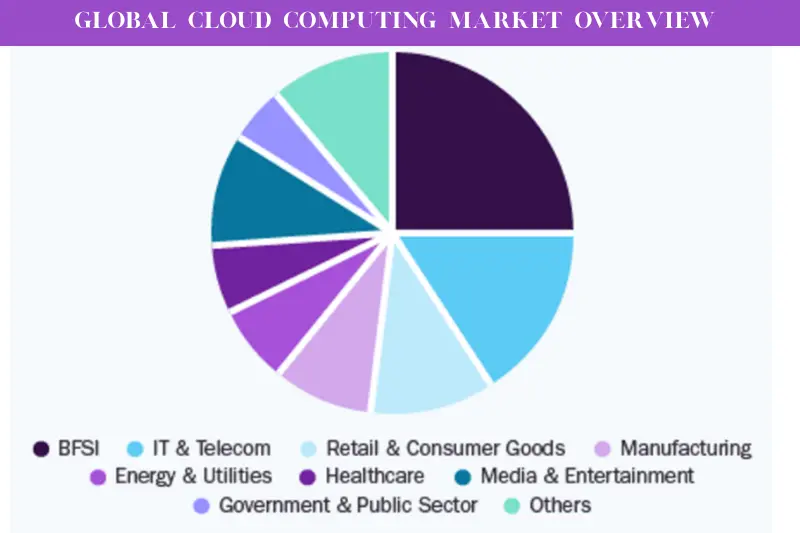
The global cloud computing market has experienced significant growth over the past decade, driven by rapid digital transformation across industries and increasing demand for scalable and cost efficient IT solutions. Businesses of all sizes are shifting from traditional on premise systems to cloud based infrastructure to improve performance, flexibility, and innovation.
Today, cloud computing market share is heavily influenced by rising adoption of advanced technologies such as artificial intelligence, machine learning, and big data analytics. These technologies require powerful computing resources, which cloud platforms are uniquely positioned to provide. As a result, organizations are increasingly investing in cloud services to stay competitive in a data driven economy.
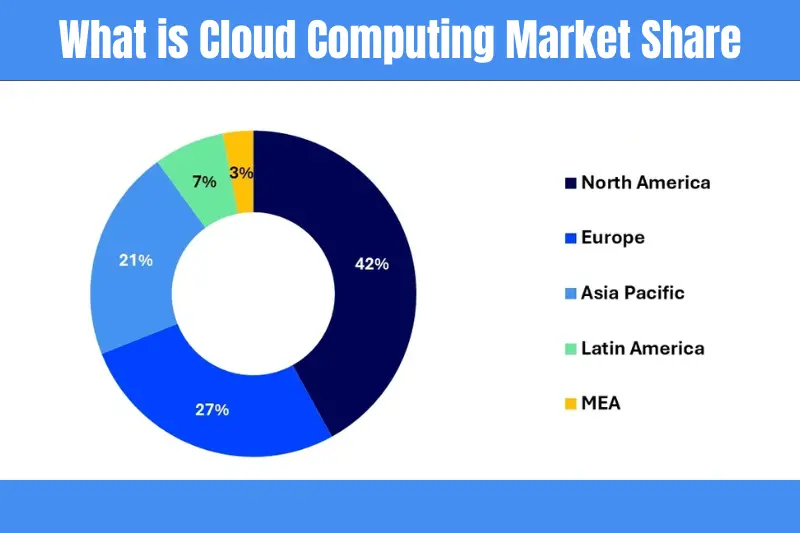
Geographically, North America continues to dominate the cloud market due to strong technological infrastructure and early adoption of cloud services. Europe is also experiencing steady growth, supported by strict data protection regulations that encourage secure cloud adoption. Meanwhile, the Asia Pacific region is emerging as the fastest growing market, driven by rapid digitalization, expanding internet access, and increasing investments in IT infrastructure.
Overall, the expansion of cloud computing market share reflects a global shift toward digital ecosystems where agility, scalability, and innovation are key priorities for businesses across all sectors.
Major Players in Cloud Computing Market Share
The cloud computing market share is largely dominated by a few global technology giants that provide scalable infrastructure, advanced platforms, and enterprise grade solutions. These companies compete intensely to expand their services, attract enterprise clients, and strengthen their global presence.
Amazon Web Services AWS
Amazon Web Services is the global leader in cloud computing and holds the largest share of the cloud market. It offers a wide range of services including computing power, storage solutions, machine learning tools, and databases. AWS is widely used by startups, enterprises, and government organizations due to its reliability, global infrastructure, and continuous innovation.
Microsoft Azure
Microsoft Azure is a strong competitor in the cloud industry and continues to grow rapidly, especially in the enterprise sector. Its key strength lies in seamless integration with Microsoft products such as Windows Server, Office 365, and enterprise software systems. Azure is highly preferred for hybrid cloud solutions where businesses combine on premise and cloud environments.
Google Cloud Platform GCP
Google Cloud Platform focuses heavily on data analytics, artificial intelligence, and machine learning capabilities. It is known for its strong performance in big data processing and advanced AI driven tools. Google Cloud is increasingly being adopted by companies that prioritize data intelligence and innovation.
Other Major Players
Apart from the top three providers, several other companies contribute to the global cloud computing market share. These include IBM Cloud, Oracle Cloud, and Alibaba Cloud. While their market share is smaller, they play an important role in specific regions and industries, especially in enterprise solutions and regional cloud services.
Cloud Computing Market Share Breakdown by Region
The global cloud computing market share is not evenly distributed across the world. Different regions show varying levels of adoption based on technological development, regulatory environment, and digital infrastructure readiness.
North America holds the largest share of the global cloud market. This dominance is driven by early adoption of cloud technologies, strong presence of major providers, and advanced IT infrastructure. The United States, in particular, is home to leading companies such as AWS, Microsoft, and Google, which significantly influence regional and global market trends.
Europe also represents a strong and steadily growing cloud market. Growth in this region is supported by increasing digital transformation initiatives and strict data protection regulations such as GDPR, which encourage secure and compliant cloud adoption. Many European businesses are now shifting to hybrid and multi cloud strategies to balance performance and regulatory compliance.
Asia Pacific is the fastest growing region in terms of cloud adoption. Countries like China, India, Japan, and South Korea are experiencing rapid digitalization, increased internet penetration, and strong government support for cloud infrastructure development. This growth is significantly expanding the overall cloud computing market share globally.
Emerging markets in Latin America, the Middle East, and Africa are also gradually adopting cloud services. Although their current share is smaller, increasing investment in digital infrastructure and growing demand for online services are expected to drive future expansion.
Factors Driving Cloud Computing Market Growth
The expansion of cloud computing market share is being fueled by several strong global trends that are reshaping how businesses operate and deliver services. These drivers are not only accelerating adoption but also increasing dependency on cloud based systems across industries.
One of the most important factors is digital transformation. Organizations are modernizing their IT infrastructure to become more agile, data driven, and competitive. Cloud computing provides the flexibility needed to scale operations quickly without heavy investment in physical hardware.
Another key driver is the rise of artificial intelligence and machine learning. These technologies require large amounts of computing power and storage, which cloud platforms can deliver efficiently. As a result, businesses are increasingly relying on cloud services to build intelligent applications and analyze massive datasets.
The shift toward remote work has also significantly boosted cloud adoption. With employees working from different locations, companies depend on cloud based collaboration tools, file sharing systems, and virtual workspaces to maintain productivity and communication.
Cost efficiency and scalability further contribute to market growth. Cloud computing reduces the need for expensive on premise infrastructure and allows businesses to pay only for the resources they use. This makes it especially attractive for startups and growing enterprises.
Finally, improvements in cybersecurity and data protection have increased trust in cloud solutions. Providers now offer advanced security features such as encryption, identity management, and continuous monitoring, making cloud platforms more reliable for sensitive workloads.
Challenges Affecting Cloud Computing Market Share
Despite strong growth and widespread adoption, the cloud computing market share faces several challenges that can slow down or complicate its expansion across industries.
One of the major concerns is data privacy and security. As organizations store sensitive information on cloud platforms, they become more exposed to cyber threats, data breaches, and unauthorized access. Even though cloud providers invest heavily in security, businesses must still ensure proper configuration and governance to avoid vulnerabilities.
Another challenge is vendor lock in. Many companies find it difficult to switch between cloud providers once they have built their systems on a specific platform. This can limit flexibility, increase long term costs, and reduce negotiation power when renewing services or expanding infrastructure.
High migration costs also act as a barrier, especially for large enterprises with complex legacy systems. Moving data, applications, and workflows to the cloud requires time, planning, and financial investment, which can slow down adoption in some cases.
Regulatory compliance is another critical issue. Different countries have different data protection laws, and businesses must ensure that their cloud usage aligns with legal requirements. This is especially challenging for global companies operating across multiple regions.
Lastly, cybersecurity risks continue to evolve. Although cloud platforms offer advanced protection, attackers constantly develop new methods to exploit systems. This requires continuous monitoring, updates, and investment in security infrastructure.
Future of Cloud Computing Market Share
The future of cloud computing market share is expected to be shaped by rapid technological advancements and increasing demand for intelligent, scalable, and highly efficient digital infrastructure.
One of the most significant trends is the rise of hybrid cloud and multi cloud strategies. Businesses are no longer relying on a single provider. Instead, they are combining multiple cloud environments to improve flexibility, reduce risk, and optimize performance. This shift is expected to continue expanding as organizations seek more control over their data and workloads.
Artificial intelligence integration is another major factor influencing the future of cloud computing. Cloud platforms are increasingly embedding AI driven services such as predictive analytics, automation, and intelligent decision making tools. This will make cloud systems more powerful and essential for business innovation.
Edge computing is also expected to play a major role in the future. By processing data closer to its source, edge computing reduces latency and improves real time decision making. When combined with cloud infrastructure, it creates a more efficient and responsive digital ecosystem.
In addition, the demand for cloud native applications will continue to grow. Businesses are building software specifically designed for cloud environments to improve scalability, speed, and performance.
Overall, the cloud computing market share will likely continue to evolve as companies invest in smarter, faster, and more secure cloud technologies to support global digital transformation.
Expert Insights and Industry Analysis EEAT
Industry analysts consistently highlight that cloud computing has become the backbone of modern digital infrastructure. Research firms such as Gartner and IDC report that cloud adoption continues to accelerate as organizations prioritize agility, scalability, and innovation over traditional IT systems.
From an experience perspective, businesses across industries are already demonstrating real world dependency on cloud platforms. Enterprises use cloud services not only for storage and computing but also for advanced analytics, artificial intelligence, and global service delivery.
From an expertise standpoint, cloud architecture has evolved into highly sophisticated systems involving distributed computing, virtualization, and automated resource management. This technical maturity is one of the key reasons behind the steady increase in cloud computing market share.
In terms of authoritativeness, major providers such as AWS, Microsoft Azure, and Google Cloud are recognized as global leaders due to their large scale infrastructure, continuous innovation, and enterprise level reliability.
Trustworthiness is reinforced through strong security frameworks, compliance certifications, and transparent service level agreements that help businesses confidently migrate critical workloads to the cloud.
How Businesses Can Choose the Right Cloud Provider
Selecting the right cloud provider is a strategic decision that can significantly impact performance, cost efficiency, and long term scalability.
Businesses should first evaluate their workload requirements, including computing power, storage needs, and application complexity. Understanding these requirements helps in selecting a provider that aligns with operational goals.
Scalability is another important factor. Companies should choose platforms that can grow with their business without causing performance issues or excessive costs.
Security and compliance requirements must also be carefully considered. Industries such as finance and healthcare require strict data protection standards, so providers with strong compliance certifications are preferred.
Cost structure is equally important. Businesses should compare pricing models such as pay as you go, reserved instances, or enterprise agreements to optimize spending.
Finally, companies must decide between single cloud, hybrid cloud, or multi cloud strategies based on flexibility, risk management, and performance needs.
Conclusion
The cloud computing market share continues to expand as organizations worldwide shift toward digital transformation and cloud first strategies. With major players like AWS, Microsoft Azure, and Google Cloud leading the industry, competition is driving innovation and improving services across all sectors.
As emerging technologies such as artificial intelligence, edge computing, and hybrid cloud systems evolve, the cloud ecosystem will become even more essential to global business operations. Companies that adopt cloud solutions early are likely to gain a strong competitive advantage in the digital economy.
